Q1.
How do I Tell if My Roof Needs a Shingle Rejuvenation in Etobicoke?
As a homeowner in Etobicoke, it’s important to regularly monitor your roof’s condition to ensure its longevity. Signs that your roof might benefit from shingle rejuvenation include visible cracking, curling, or fading of the shingles. If your roof is over 10 years old, taking proactive measures can help prevent further damage and extend its life. Our skilled team in Etobicoke provides thorough roof assessments to determine if our rejuvenation treatment is the ideal solution, ensuring your roof remains strong, resilient, and well-maintained for many years.
Q2.
Is the RoofLife Shingle Treatment Eco Friendly for My Etobicoke Home?
RoofLife’s shingle treatment is environmentally conscious, making it a safe choice for both your home and the planet. This innovative solution is designed to rejuvenate your shingles without introducing harmful chemicals into your living space. Homeowners in Etobicoke can trust that our treatment is not only highly effective but also eco-friendly, aligning with the community’s commitment to sustainability and responsible environmental practices.
Q3.
How Extensive is the Warranty for RoofLife Roof Rejuvenation in Etobicoke?
Our warranty demonstrates the strong confidence we have in the success of our rejuvenation process. For Etobicoke homeowners, it guarantees improved flexibility and durability of the treated shingles for up to 15 years. Completely transferable, this warranty increases your property’s value should you choose to sell. With a focus on quality, we are dedicated to quickly addressing any concerns that arise during the warranty period, ensuring you enjoy peace of mind and lasting protection for your home investment.
Q4.
Is there Weather Requirements for a RoofLife Shingle Rejuvenation Job in Etobicoke?
To achieve the best results, the application of our shingle rejuvenation treatment relies on ideal weather conditions. In Etobicoke, we apply the treatment when temperatures are above freezing and when no rain is expected for at least one hour after application. Our team closely monitors local weather forecasts to select the most suitable time for treatment, ensuring that the rejuvenation process is both effective and durable.
Q5.
Will the Roof Rejuvenation Solution Change the Look of My Etobicoke Home's Roof?
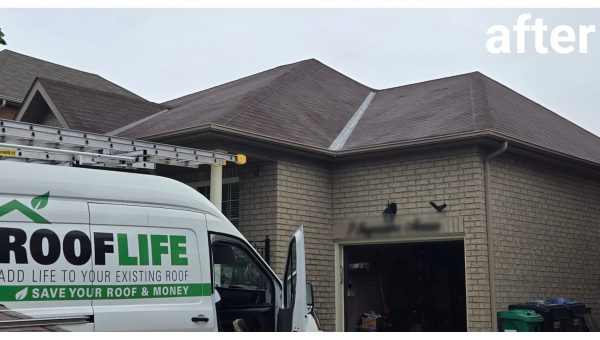
One of the main benefits of our shingle rejuvenation process is the noticeable improvement in the appearance of your roof. The treatment revitalizes the natural color and vibrancy of your shingles, bringing a refreshed, well-maintained look to your Etobicoke home. This visual boost enhances your curb appeal and reflects the attention and care you’ve invested in preserving the overall condition of your property.
Q6.
Will the Roof Shingle Solution also Clean My Roof in Etobicoke?
While the primary purpose of our treatment is to rejuvenate shingles, it also helps prevent the growth of algae and moss, keeping your roof cleaner. Homeowners in Etobicoke will notice a reduction in unsightly stains and biological growths that can detract from their home’s appearance. Though it doesn’t eliminate the need for professional roof cleaning, our treatment fosters a cleaner, healthier roof environment, contributing to both improved aesthetics and increased roof durability.
Q7.
What roofing materials are best for a roof replacement?
The best roofing material depends on your budget, climate, and aesthetic preferences. Asphalt shingles remain the most popular choice due to affordability and durability. Architectural shingles offer enhanced longevity and visual appeal, while metal roofing provides exceptional lifespan and energy efficiency. RoofLife helps homeowners select materials that align with their home’s structure and local weather conditions. Each roof replacement includes professional guidance to ensure the chosen roofing system delivers long-term performance, weather resistance, and curb appeal.
Q8.
Will my roof replacement include new flashing and ventilation?
A proper roof replacement should always include new flashing and ventilation upgrades where needed. Flashing protects vulnerable areas such as chimneys, valleys, and skylights from water intrusion. Ventilation ensures balanced airflow, preventing moisture buildup and premature shingle failure. RoofLife inspects these components during every roof replacement and replaces outdated or damaged materials. Proper ventilation and flashing installation extend the life of your new roof and reduce the risk of future leaks or structural damage.
Q9.
How often should a roof be replaced?
Most asphalt shingle roofs last between 20 and 25 years, depending on maintenance and environmental exposure. Factors such as harsh weather, poor ventilation, and substandard installation can shorten this lifespan. RoofLife recommends periodic inspections to track roof condition over time. Replacing your roof at the appropriate stage prevents water damage, mold growth, and insulation failure. A timely roof replacement is a proactive investment that safeguards your home’s structural integrity.
Q10.
How often should I inspect my roof for repair needs?
The best practice is at least twice a year — ideally in spring and fall — and after major weather events like hail or high winds. Regular inspections catch early signs like loosened shingles, damaged flashing, or clogged gutters before they develop into costly problems.
Q11.
What’s the difference between roof repair and full replacement?
Roof repair addresses specific localized issues like a few missing shingles, minor leaks, or isolated flashing failures. Full replacement is needed when extensive damage exists across the roof or the system has aged beyond effective repair. Understanding which applies saves you money and ensures long-term protection.
Q12.
Can I repair my roof myself, or should I hire a professional?
Small repairs are tempting to DIY, but roofing work involves safety risks and technical details. Improper repairs can void warranties or lead to bigger problems. Hiring a licensed professional ensures quality, safety, and compliance with building codes.