Q1.
What are the signs my Toronto roof needs shingle rejuvenation?
If you’re a homeowner in Toronto, consistent monitoring of your rooftop’s health is crucial. Key signs that your roof could greatly benefit from shingle rejuvenation involve noticing visible cracking, curling, or changes in color on your roofing shingles. Furthermore, should your roof surpass ten years of age, it might be the ideal moment to contemplate rejuvenation to effectively halt any additional decay. Our dedicated roofing experts in Toronto are here to conduct a thorough assessment to establish if your rooftop qualifies for our specialized rejuvenation procedure, guaranteeing it sustains an optimal status for many future years.
Q2.
Can RoofLife Shingle Treatment be safely applied to residential roofs in Toronto?
Absolutely. RoofLife’s shingle treatment is meticulously formulated with eco-friendly green technology, ensuring it’s completely safe for your home, your family, and the surrounding environment. This truly innovative solution is specifically designed to rejuvenate your existing roof shingles without introducing any detrimental chemicals into your living space. Residents here in Toronto can therefore rest assured that our unique treatment is not only remarkably effective but also deeply environmentally responsible, perfectly aligning with the community’s strong commitment to sustainability.
Q3.
What specific aspects of the product/service does the warranty protect for Toronto residents?
Our comprehensive warranty stands as a testament to the profound confidence we have in our shingle rejuvenation process. For Toronto homeowners, this robust warranty specifically covers the renewed flexibility and long-lasting durability of your treated roof shingles for an impressive duration of up to 15 years. Crucially, this warranty is fully transferable, a significant feature that undeniably adds considerable value to your property should you ever decide to sell it. Our unwavering commitment to quality ensures that any complications that may arise within the warranty’s timeframe will be swiftly and effectively attended to by our dedicated personnel, providing you with complete peace of mind and enduring safeguarding for your valuable investment.
Q4.
What weather conditions are needed to apply shingle rejuvenation treatment in Toronto?
The application of our shingle rejuvenation treatment is carefully weather-dependent to ensure we achieve the absolute best possible outcomes for your roof. Here in Toronto, the treatment can be successfully applied when the outdoor temperature is above zero degrees Celsius, and crucially, when no rainfall is predicted for a minimum duration of one hour following the application. Our dedicated team rigorously monitors local weather conditions to precisely schedule all application appointments during the most favorable periods. This meticulous approach ultimately secures both the efficacy and the extended lifespan of the entire rejuvenation procedure for your Toronto home.
Q5.
Will RoofLife alter my roof's appearance in Toronto?
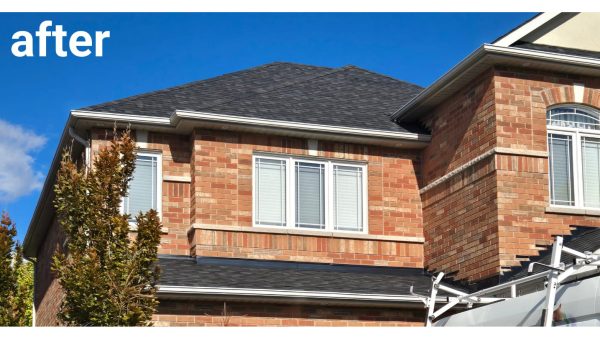
Yes, a significant and immediate benefit of our shingle rejuvenation process is the undeniable enhancement of your roof’s visual appeal. The specialized treatment actively restores the original color and vibrancy of your roofing shingles, providing your Toronto home with a visibly refreshed and impeccably well-maintained look. This remarkable aesthetic improvement not only boosts your property’s curb appeal from the street but also clearly reflects the diligent care and attention you’ve invested in preserving your home’s overall appearance and value.
Q6.
Beyond rejuvenation, will RoofLife help clean my roof in Toronto?
While our primary focus remains on rejuvenating your shingles, our specialized treatment also plays a significant role in helping prevent the proliferation of unsightly algae and moss. This contributes directly to a visibly cleaner and more appealing roof appearance for your home. Toronto homeowners will undoubtedly notice a welcome reduction in unattractive discolorations and unwanted biological growths, which can often diminish the overall aesthetic of their residences. Though it is not intended as a substitute for professional roof cleaning, our treatment actively supports a more sanitary and healthier roof environment for your property.
Q7.
How does climate affect the lifespan of a roof and roof replacement timing?
Climate plays a significant role in determining when a roof replacement becomes necessary. Homes exposed to heavy snowfall, frequent rain, strong winds, or extreme temperature fluctuations experience accelerated roofing wear. Freeze-thaw cycles can cause shingles to crack and lift, while prolonged sun exposure leads to drying and granule loss. Moisture-heavy environments increase the risk of mold, algae growth, and wood rot beneath the roofing system. Over time, these conditions reduce a roof’s ability to shed water and maintain insulation efficiency. RoofLife evaluates climate-specific stress factors during inspections to determine whether repairs are sufficient or replacement is required. Choosing roofing materials suited to local weather conditions can significantly extend lifespan. Timely roof replacement prevents climate-related damage from compromising your home’s structure and ensures consistent performance year-round.
Q8.
What roofing materials are available during a roof replacement?
Homeowners have several roofing material options when planning a roof replacement. Asphalt shingles remain the most common choice due to affordability, ease of installation, and proven durability. Architectural shingles offer enhanced thickness, improved wind resistance, and a more dimensional appearance. Metal roofing provides exceptional longevity, energy efficiency, and resistance to extreme weather conditions. Synthetic roofing materials replicate the look of slate or wood while offering lower maintenance and weight. RoofLife helps homeowners compare material benefits based on budget, home design, and environmental exposure. Each roofing system includes underlayment, flashing, and ventilation components that work together for maximum protection. Selecting the right material ensures your roof replacement delivers both performance and visual appeal for decades.
Q9.
How does ventilation factor into roof replacement performance?
Proper ventilation is essential to the success of any roof replacement. Without adequate airflow, heat and moisture can become trapped in the attic, leading to premature shingle deterioration, higher energy costs, and mold growth. RoofLife evaluates intake and exhaust ventilation to ensure balanced airflow throughout the roofing system. During replacement, outdated or insufficient vents are upgraded to meet modern performance standards. Proper ventilation helps regulate attic temperatures, reduces ice dam formation in winter, and extends the lifespan of roofing materials. Integrating ventilation improvements into a roof replacement ensures your home remains comfortable, energy-efficient, and protected from moisture-related damage.
Q10.
How do roof flashing problems develop, and why are they critical to repair?
Flashing is installed around roof penetrations and along roof edges to prevent water intrusion. Over time, flashing can deteriorate due to exposure to sunlight, temperature fluctuations, and roof movement. Rust, cracks, and gaps in flashing allow water to seep into the roofing system, damaging the roof deck, insulation, and interior walls. Common areas of flashing failure include chimneys, skylights, vents, and valleys. Repairing flashing involves removing surrounding shingles, replacing damaged metal, applying waterproof membranes, and resealing the area to ensure a watertight barrier. Proper flashing repair protects structural components, prevents mold growth, and reduces long-term maintenance costs. Because flashing is highly technical and requires precision installation, professional roofing services are strongly recommended to ensure that water does not infiltrate the roof system and cause future damage.
Q11.
How can sagging roof sections be repaired safely?
Sagging roof sections indicate weakened structural components, often caused by prolonged moisture exposure, rotting joists, or excessive weight from snow and ice. Repairing a sagging roof begins with a detailed inspection to identify compromised areas, including roof decking, rafters, and joists. Depending on the severity, solutions may include reinforcing joists through sistering, replacing damaged wood, or adjusting trusses. It’s critical to address the source of moisture or structural weakness to prevent recurrence. Safety precautions are essential during repair, including supporting the roof temporarily and using professional equipment. Properly repairing sagging areas restores structural integrity, prevents further roof deterioration, and protects interior spaces from water damage and ceiling collapse. Hiring licensed roofing professionals ensures the repair meets building codes and long-term safety standards.
Q12.
Why is addressing minor roof leaks important for overall roof health?
Even small roof leaks can cause significant damage over time if left unattended. Water can infiltrate shingles, underlayment, and the roof deck, leading to rot, mold, and compromised insulation. Minor leaks may initially appear as small stains on ceilings or walls but can quickly escalate, affecting structural joists and attic spaces. Early repair involves identifying the source, removing damaged roofing materials, resealing or replacing flashing, and ensuring shingles or vent boots are properly installed. Addressing minor leaks promptly prevents costly repairs, extends the roof’s lifespan, and maintains indoor air quality by preventing mold growth. Regular maintenance and proactive inspections allow homeowners to catch these issues before they evolve into major problems.